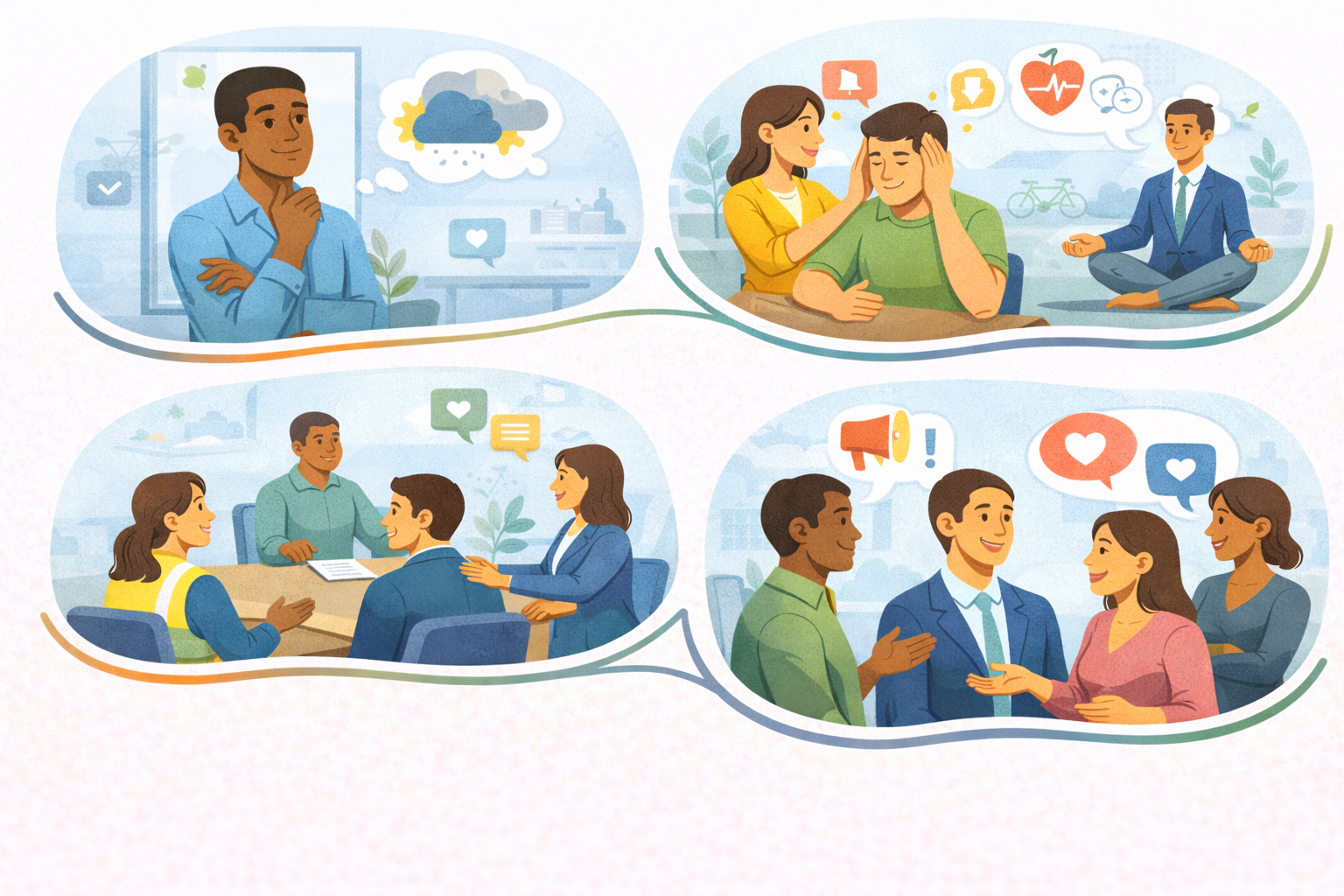
Mental Health Initiative — building mental health literacy and institutional well-being

Mental Health Initiative

Building Mental Health Literacy and Institutional Wellbeing

Overview

Our Mental Health initiative is designed to help young people better understand their thoughts, emotions, and behaviours, while building the skills needed to navigate everyday challenges with confidence.

Mental health is not just about illness. It is about how we think, feel, cope, build relationships, and function in daily life. As highlighted in the program, a significant number of adolescents experience mental health challenges, yet many do not seek help due to stigma, confusion, or lack of awareness.

This initiative focuses on making mental health understandable, relatable, and actionable.

What We Address

The program covers a wide range of themes that young people actively experience in their daily lives:
Icon representing understanding mental health — thoughts, emotions, and behaviour awareness

Understanding Mental Health


Introducing mental health as a part of everyday life, not just a condition. Learners explore the connection between thoughts, emotions, and behaviour, and understand concepts like stress, anxiety, and depression.
Icon representing managing stress and emotional distress — coping techniques and self-regulation

Managing Stress and Emotional Distress

Through real-life scenarios, learners understand how stress shows up and how to manage it using simple techniques such as grounding, breathing, and reflection.

The program also introduces concepts like:

  • Fight, flight, freeze response
  • Positive vs negative stress
  • When and how to seek help
Icon representing healthy habits — nutrition, physical activity, rest, and mental well-being

Healthy Habits: Fuel, Move, Rest

Mental health is closely linked to daily habits. This module focuses on:

  • Nutrition and its impact on mood
  • Physical activity and emotional well-being
  • Rest, sleep, and recovery

Learners understand how small lifestyle choices influence mental health outcomes.
Icon representing body image and self-perception — body positivity and self-acceptance

Body Image and Self-Perception

This section addresses body image, comparison, and self-esteem in the context of social media and societal expectations.

It introduces:

  • Body positivity and self-acceptance
  • Risks of comparison and unrealistic standards
  • Understanding Body Dysmorphic Disorder (BDD)
Icon representing cyberbullying and digital well-being — safe online behaviour and managing digital stress

Cyberbullying and Digital Well-being

Recognising the growing impact of digital spaces, this module focuses on:
  • What cyberbullying looks like
  • Safe online behaviour
  • Managing digital stress and screen use
  • Practical tools to seek support
Icon representing stigma and stereotypes — challenging harmful beliefs and promoting stigma-free language

Stigma and Stereotypes

A key barrier to mental health support is stigma.

This module helps learners:
  • Understand how stigma affects behaviour and help-seeking
  • Challenge harmful beliefs and stereotypes
  • Use respectful, stigma-free language
  • Support peers with empathy and understanding

How We Teach

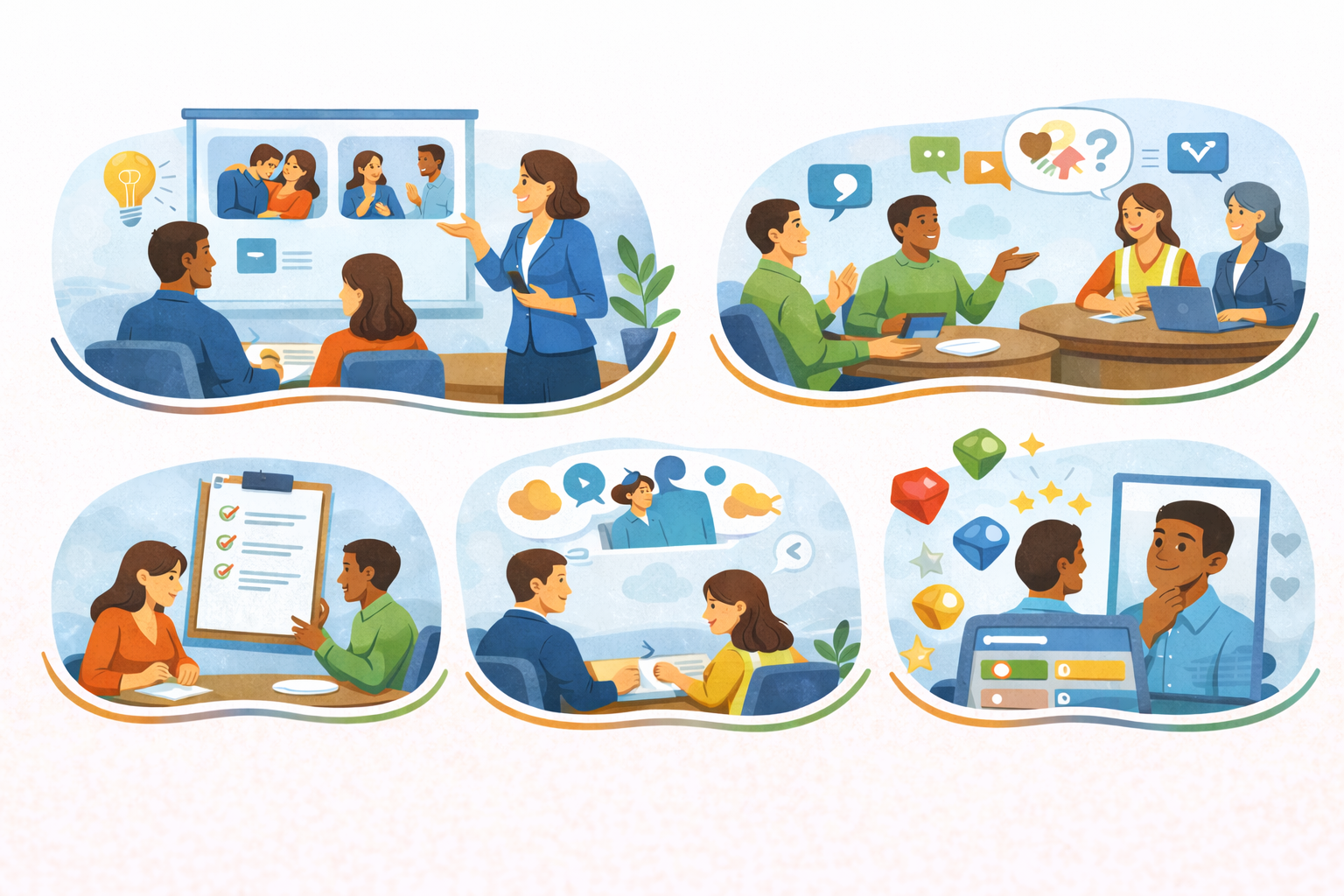
How We Teach — interactive learner-led experience using scenario-based storytelling and gamified learning

The program is designed as an interactive, learner-led experience, not a lecture.

It uses:

  • Scenario-based storytelling
  • Real-life relatable characters
  • Interactive activities and reflection exercises
  • Gamified learning elements
  • Safe prompts for self-reflection

Learners are encouraged to think, apply, and respond — not just consume information.
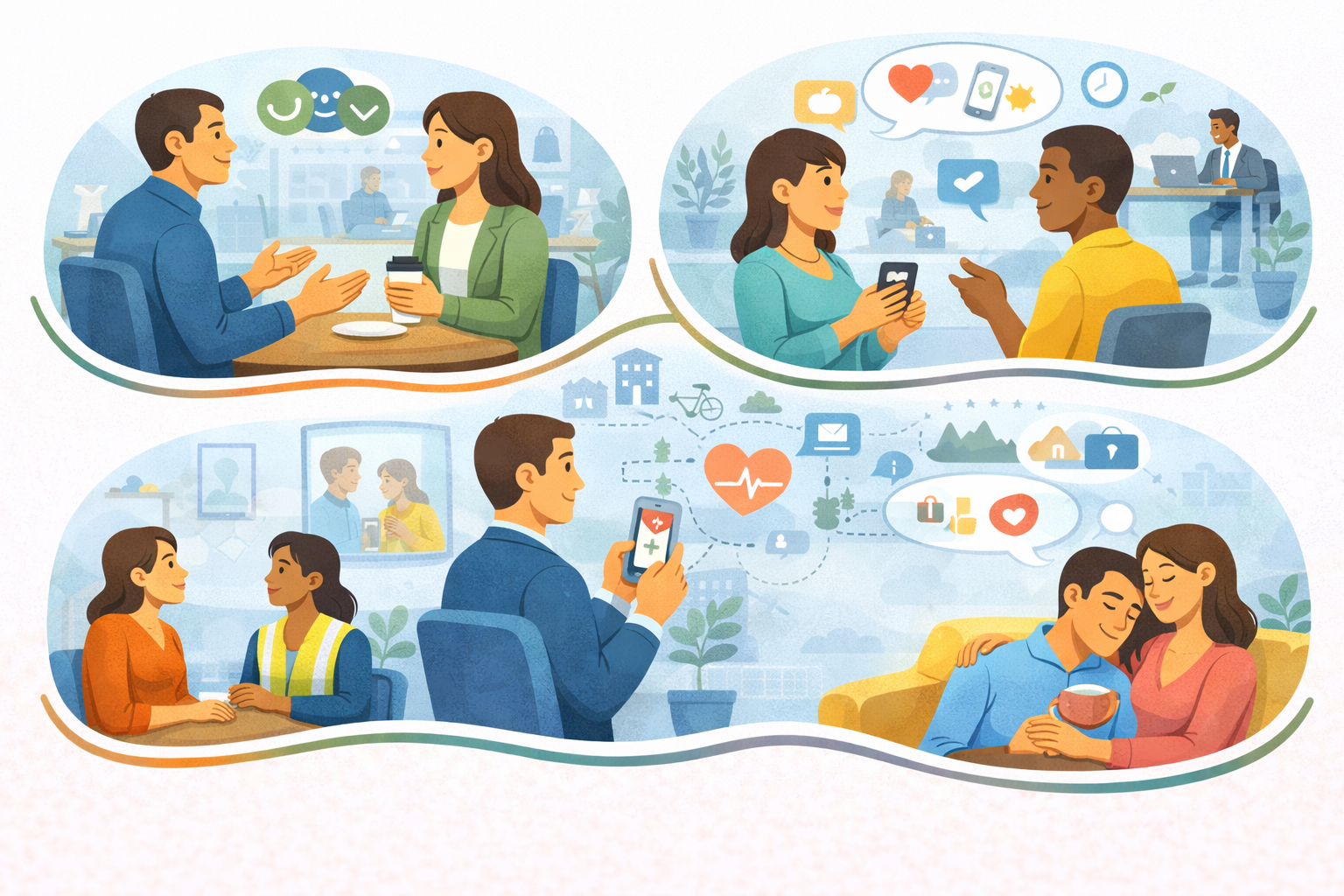
What Makes It Different

  • Moves beyond awareness to practical life skills
  • Focuses on everyday situations, not just extreme cases
  • Uses simple, non-clinical language
  • Encourages self-reflection and peer support
  • Integrates mental health with lifestyle, relationships, and digital life
What makes this mental health program different — practical, relatable, and non-clinical approach to learning

Outcome

Program outcome — learners building emotional awareness, coping skills, and healthier routines

Learners are able to:

  • Better understand their thoughts and emotions
  • Recognise signs of stress and distress
  • Use simple coping strategies in daily life
  • Build healthier habits and routines
  • Respond to peers with empathy and support
  • Challenge stigma and speak more openly about mental health

Why It Matters

Many young people experience confusion, pressure, and emotional challenges, but lack the tools or safe spaces to understand and address them.

By making mental health relatable, practical, and accessible, this initiative helps build:
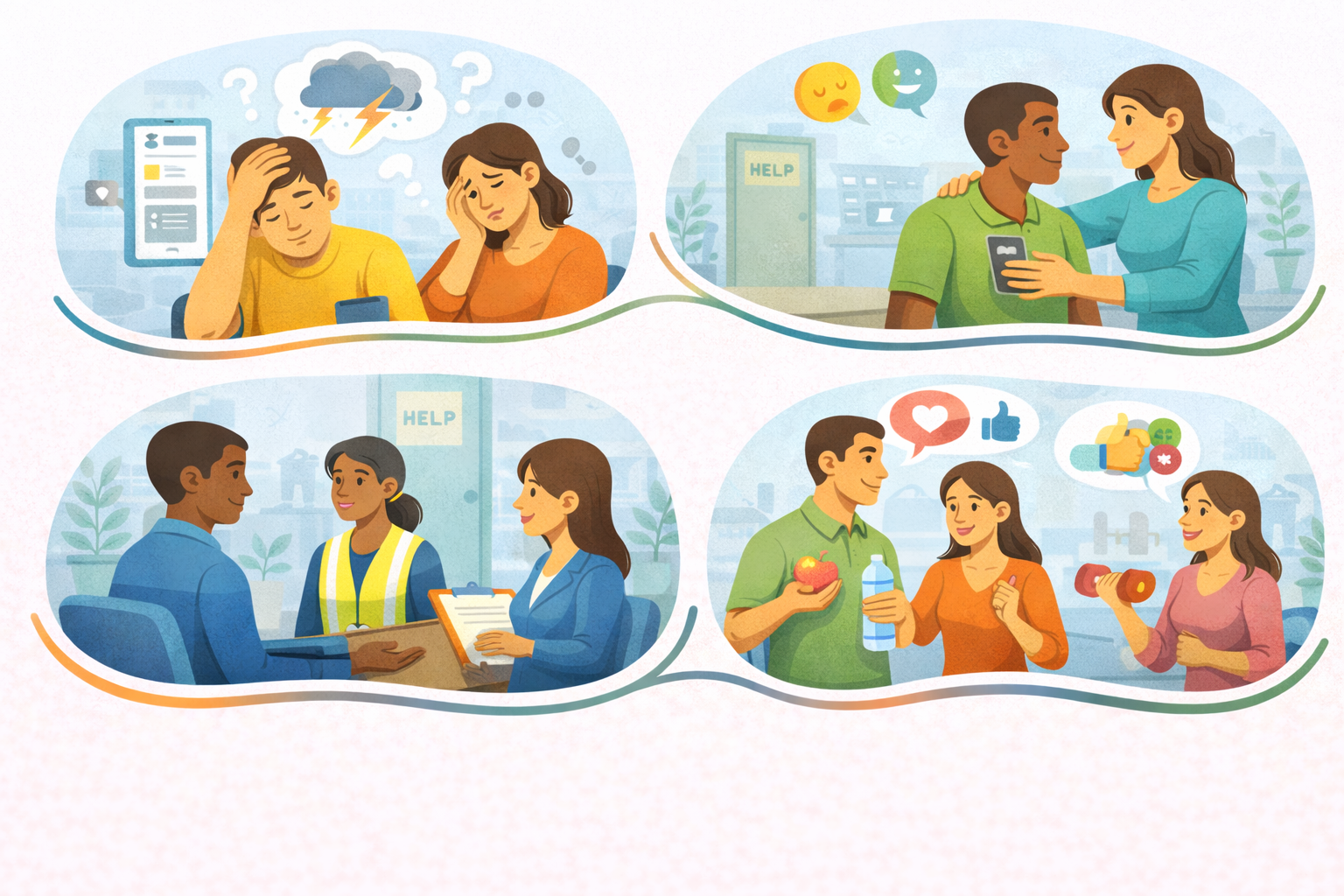
  • Emotional awareness
  • Confidence in seeking help
  • Supportive peer environments
  • Long-term well-being habits
Why mental health matters — building emotional awareness, help-seeking confidence, and long-term well-being habits

Program Impact

45+

INSTITUTIONS CERTIFIED

5,000+

EDUCATORS TRAINED

3,500+

STUDENTS REACHED

8

STATES COVERED

Access the Mental Health learning platform — build mental health literacy and institutional well-being frameworks

Access Mental Health Learning Platform

Build mental health literacy and institutional wellbeing frameworks

Access Learning Platform →
Related Case Studies

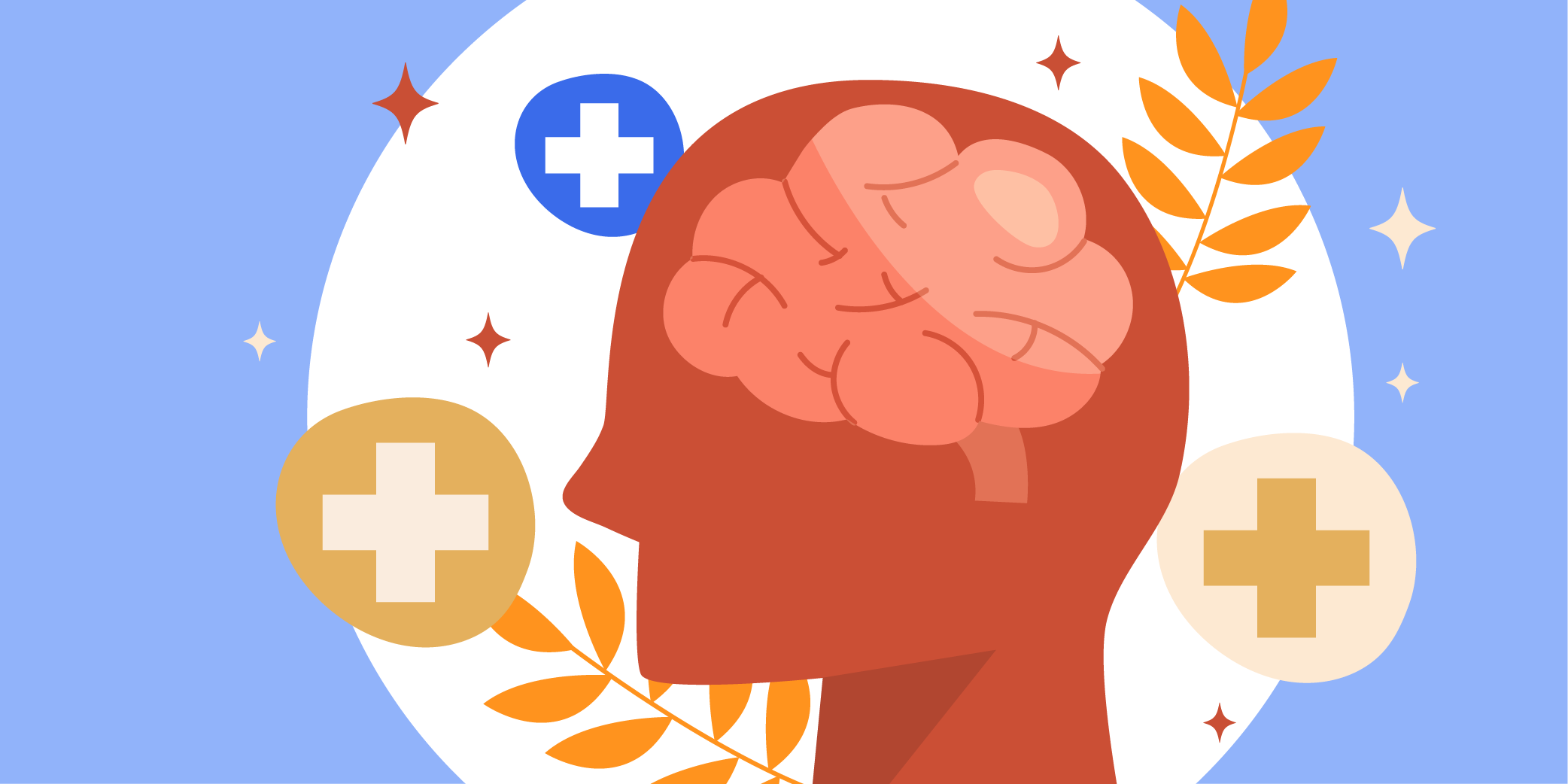
Wellbeing in Schools program — mental health literacy initiative for schools in Mumbai, Maharashtra

Wellbeing in Schools Program

March 2024 · Mumbai, Maharashtra

Beneficiaries: 3,000

Mental health literacy program for 15 schools, peer support network established, 100+ teachers trained
Other EDF Initiatives

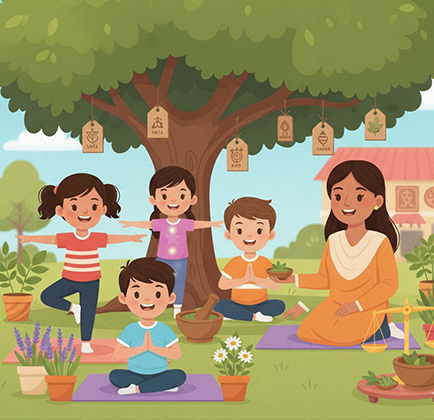
The Young Yogi — Ayurveda program promoting lifelong health through traditional daily habits

Ayurveda


The Young Yogi: Simple, practical approaches to building lifelong health through daily habits rooted in traditional wisdom.

View Details →
SRHR initiative — Health, Rights and Choices course on sexual and reproductive health for young people

SRHR


Health, Rights and Choices: Engaging, age-appropriate learning that enables young people to understand their bodies, relationships, and rights with clarity and confidence.
View Details →
SafeCampus initiative — e-learning program for prevention of sexual harassment in educational institutions

Safe Campus


SafeCampus Initiative: Comprehensive programs that help higher educational institutions and workplaces prevent and respond to sexual harassment, while building cultures of safety and accountability.

View Details →